

Magento
Magento Development Services in Oman
Build, upgrade and maintain Magento stores with practical planning for catalogue structure, extensions, integrations, performance and ongoing platform maintenance.
Magento Open Source is a commerce platform for organizations that need more control over catalogue structure, storefront behavior, integrations and operational workflows than a basic hosted store may provide. It can support complex product data, multiple websites or store views, custom extensions and connections to business systems – but the quality of the result depends heavily on architecture, configuration, hosting, extension choices and maintenance.
Bluechip Gulf Oman can support Magento projects in Muscat and across Oman, including new builds, modernization of existing stores, version upgrades, extension work, integrations and technical maintenance. Before development begins, the existing environment and business requirements should be reviewed so that the proposed solution fits the catalogue, checkout, payment, fulfilment, reporting and administration workflows that the business actually uses.
Magento Development & Store Modernization
Bluechip Gulf Oman supports Magento projects for businesses that need a configurable commerce platform, custom integrations or modernization of an existing Magento store. The work can include new builds, upgrades, extension development, catalogue and checkout customization, integration planning and technical maintenance.
What Magento Is Best Suited For
Magento Open Source is suited to commerce environments that need detailed catalogue control, configurable product structures, multiple storefronts or integrations with other business systems. It can support complex requirements, but the architecture, hosting, extensions and maintenance plan should match the real operational needs of the store.
When Magento Is a Good Fit
- Complex catalogues with configurable products, attributes, pricing rules or multiple customer groups.
- Multiple storefronts, brands, websites, languages or currencies that need centralized administration.
- Businesses that require custom checkout, ERP, CRM, payment, shipping, inventory or marketplace integrations.
- Existing Magento stores that need structured modernization rather than a complete platform change.
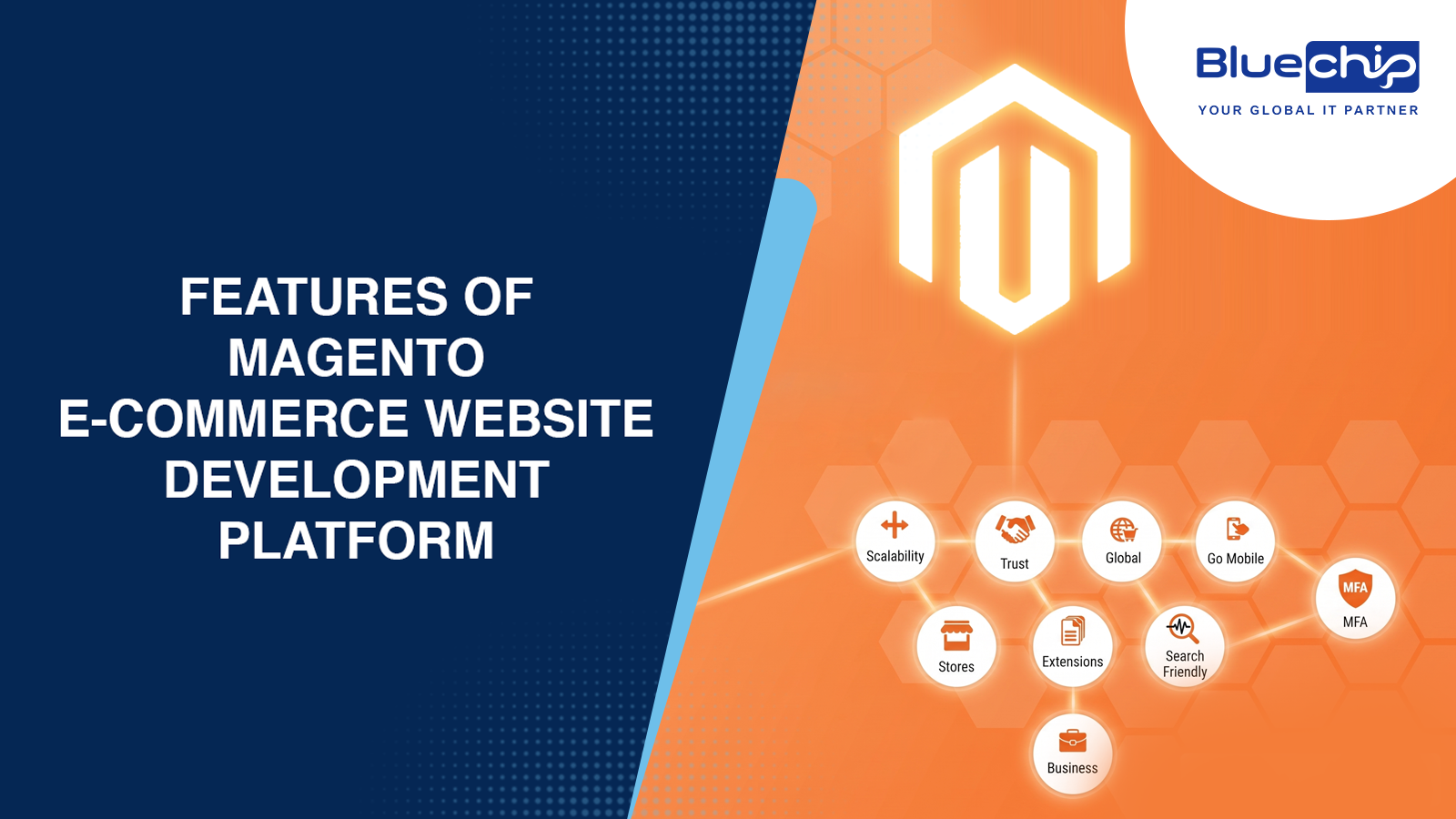
Magento Capabilities for Business Commerce
- Catalogue and product management: structure products, attributes, categories, pricing, inventory and merchandising rules around the operating model.
- Multi-store administration: manage multiple websites, stores or store views where the business case justifies it.
- Checkout and payments: configure checkout flows and connect supported payment providers based on project requirements.
- Extensions and custom modules: extend platform behavior without treating every requirement as a theme-only change.
- APIs and integrations: connect external systems for orders, customers, product data, stock, pricing or fulfilment where suitable.
- Mobile-ready storefronts: implement responsive storefront experiences and test the performance impact of themes and extensions.
What Should Be Planned Carefully
Magento flexibility also creates implementation choices. Hosting capacity, extension quality, theme code, search/indexing, integrations, cache configuration and upgrade compatibility should be reviewed so the store remains maintainable as requirements change.
Magento Development Services We Provide
• New Magento store development and configuration
• Existing-store redesign and modernization
• Version upgrades and compatibility assessment
• Custom module and extension development
• ERP, CRM, payment, shipping and inventory integrations
• Catalogue, checkout and admin customization
• Performance, maintenance and technical support
Request a Magento Consultation
How We Deliver Magento Projects
- Discovery and platform assessment – understand the catalogue, storefronts, integrations, current version, hosting and operational pain points.
- Solution design – define what should be configured, customized, integrated or replaced, including dependencies and migration requirements.
- Development and staging – implement changes in a controlled environment with version control, configuration management and test data where appropriate.
- Testing and UAT – verify core storefront journeys, admin workflows, integrations, payment/shipping scenarios and regression risks.
- Deployment and post-launch review – release using an agreed plan, confirm critical functions and document ongoing maintenance needs.
Plan Magento Upgrades Before They Become Urgent
Review the current Magento release, PHP/search dependencies, theme, custom code, extensions, integrations and hosting. Test compatibility in staging, maintain backups and follow supported-version/security guidance before production deployment.
Performance Requires Measurement, Not Assumptions
Storefront speed and stability can be affected by hosting, caching, search services, database load, catalogue size, themes, JavaScript, images and extensions. Measure the bottleneck first, then optimize the relevant layer
Magento Upgrades & Security Maintenance
Magento stores should not be left indefinitely on unsupported or unpatched releases. An upgrade project should begin with an inventory of the current Magento version, PHP and search dependencies, theme, custom code, third-party modules, payment integrations and hosting environment. Extension compatibility and database changes should be tested in staging before production deployment.
Adobe maintains release and security guidance for Magento Open Source. Because versions, patches and dependency requirements change, the live page should avoid promising a specific version forever. Instead, explain that supported releases and applicable security updates are reviewed as part of maintenance and upgrade planning.
Integrations & Data Flows
Magento rarely operates in isolation. Product data, customer records, stock, pricing, orders, fulfilment and reporting may need to move between the store and other systems. Integration planning should define which system is the source of truth, what data moves in each direction, how frequently it synchronizes, and what happens when an API or external service fails.
- ERP and accounting integrations
- CRM and customer-data workflows
- Payment gateway connections
- Shipping, courier and fulfilment services
- Inventory and warehouse systems
- Marketplace or product-feed integrations
- Analytics and reporting connections
Performance & Store Operations
Magento performance depends on more than the platform name. Hosting resources, caching, search services, image handling, theme code, JavaScript, extensions, database health and catalogue size can all affect storefront and admin performance. Performance work should therefore be based on measurement and bottleneck analysis rather than generic “fast loading” promises.
FAQ
What is Magento Open Source?
Magento Open Source is an open-source e-commerce platform used to build and manage online stores. It provides catalogue, customer, cart, checkout, order and administration capabilities that can be extended through modules, themes and integrations.
Is Magento suitable for every online store?
No. Magento can be a strong fit for stores with complex catalogues, integrations, multiple storefronts or custom workflows, but it may be unnecessarily complex for a very small store with simple requirements. Platform choice should follow the business and operational needs.
Can an existing Magento store be upgraded without rebuilding everything?
Often, yes, but the answer depends on the current version, theme, custom code, extensions and third-party integrations. A technical assessment should identify compatibility risks before the upgrade scope is confirmed.
Can Magento integrate with ERP, CRM or inventory systems?
Yes, integrations can be developed using available APIs, extensions or custom middleware depending on the systems involved. The project should define data ownership, synchronization rules, error handling and security requirements.
What should be checked before a Magento upgrade?
Review the Magento version, PHP and search dependencies, hosting environment, custom modules, third-party extensions, theme, payment and shipping integrations, database changes, backups and staging environment.
How do you improve a slow Magento store?
Start by measuring where time is being spent. Hosting capacity, cache configuration, search/indexing, database load, theme code, JavaScript, images and extensions can all contribute. The correct fix depends on the actual bottleneck.
Can Magento support multiple stores or languages?
Magento supports multiple websites, stores and store views. Whether that architecture should be used depends on catalogue, pricing, operational and localization requirements, so it should be designed deliberately rather than enabled by default.
What ongoing maintenance does a Magento store need?
Typical maintenance can include supported-version planning, security updates, extension reviews, backups, monitoring, performance checks, integration testing and regression testing after platform or module changes